

Quick Start
The AI analyzes your input image and applies transformations based on your text prompt while maintaining the overall composition and structure of the original image.1
Navigate to Image Generator by Clicking on New Image
Go to the Image Generator tool in your Zoice dashboard by clicking on New Image.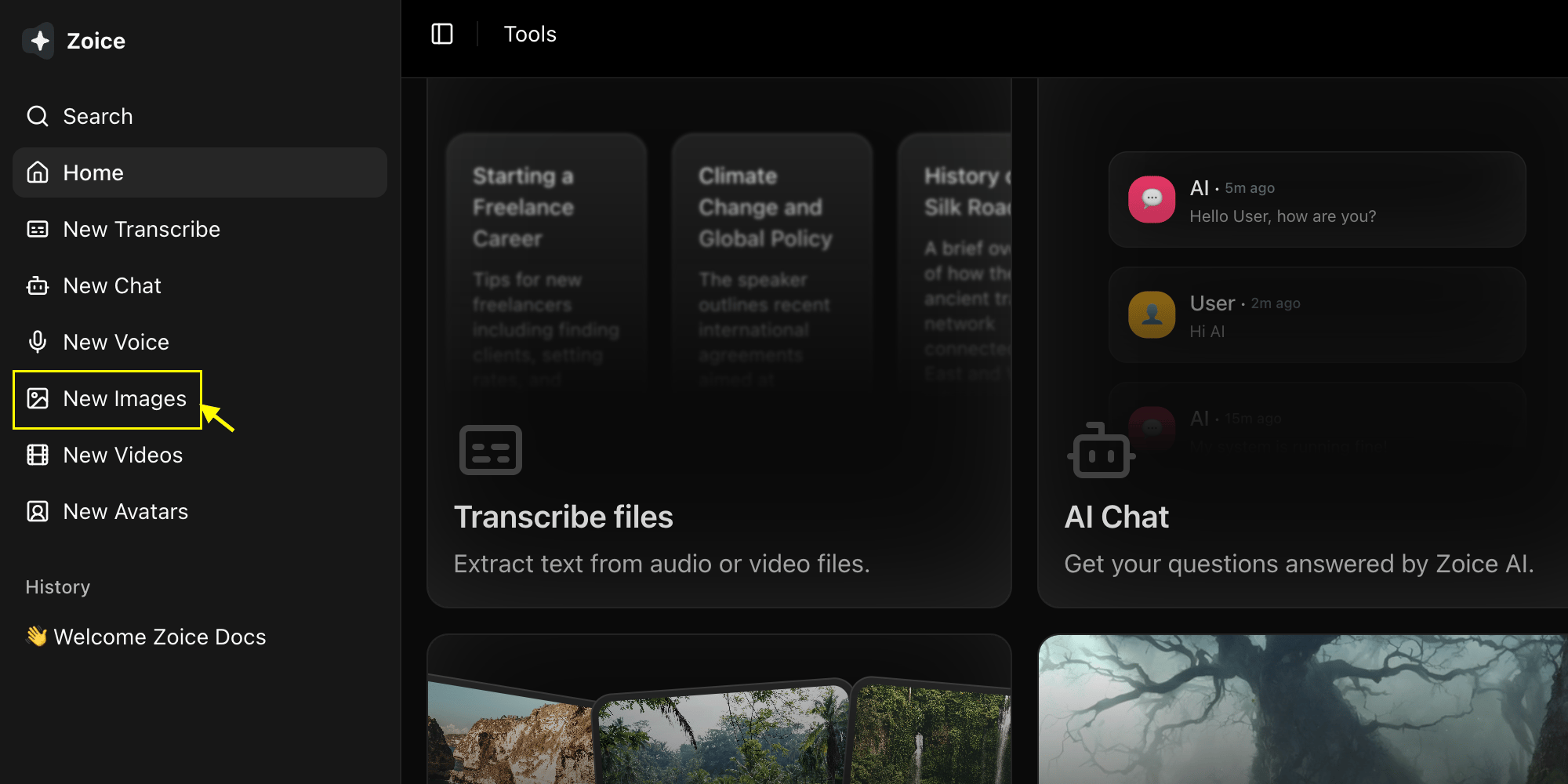
2
Select Model
Choose the appropriate AI model (e.g., Imagen 4 Fast, Nano Banana, Nano Banana 2) for your transformation.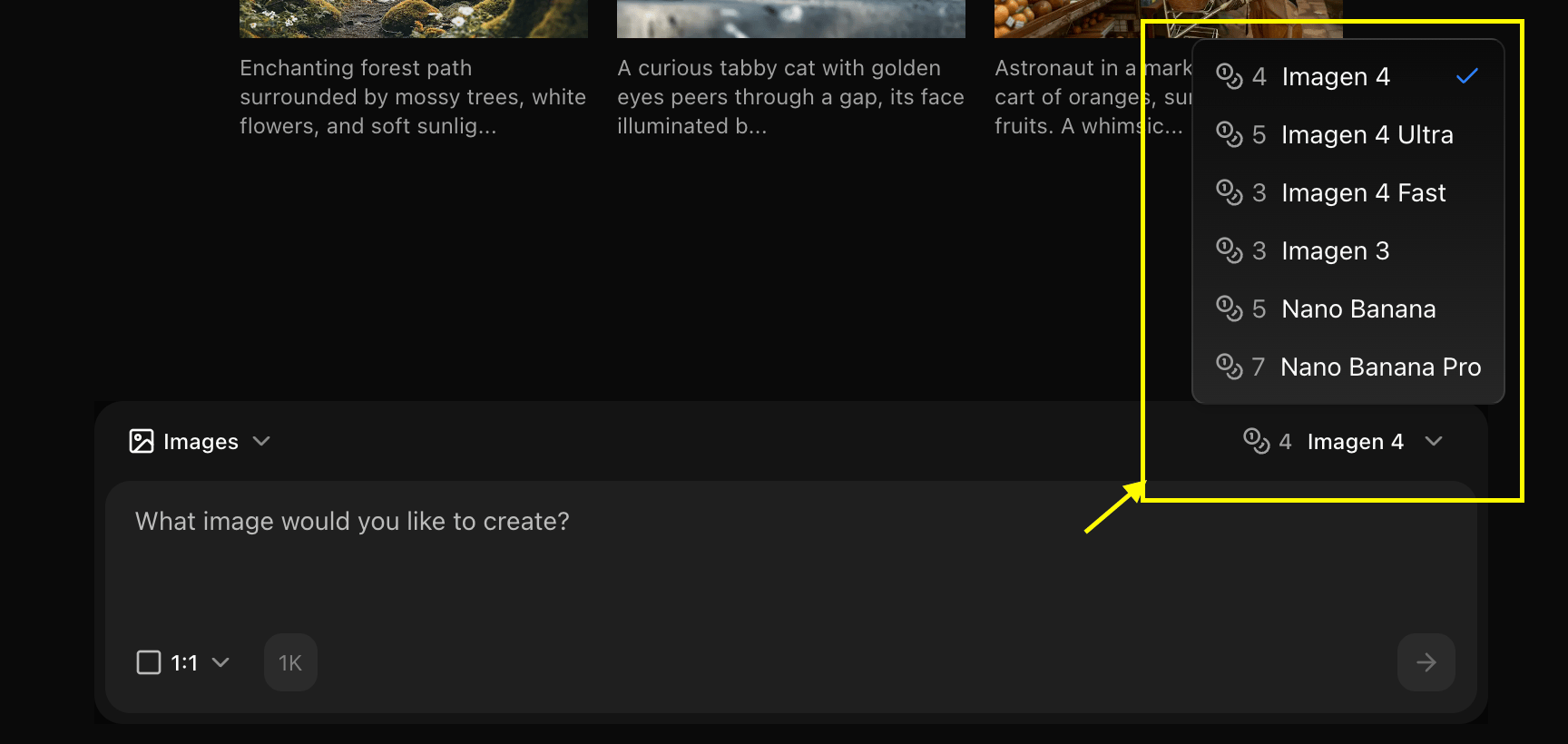
3
Configure Settings and Select Image to Image Mode
Set your preferred aspect ratio, resolution, and choose Image to Image mode.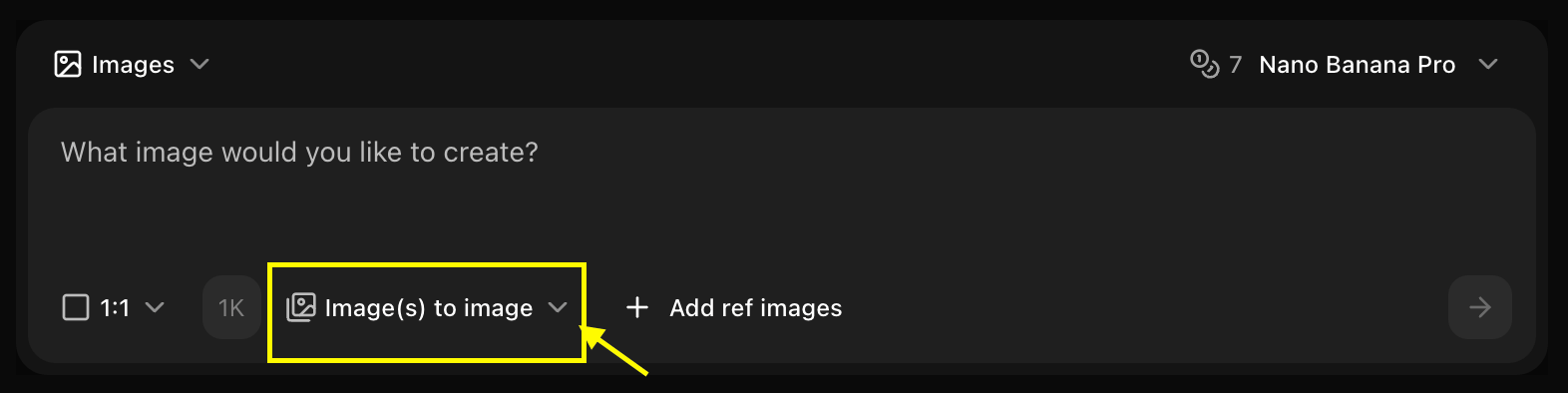
4
Upload Reference Image
Click on Add Ref Image to select and upload the image you want to use as a base.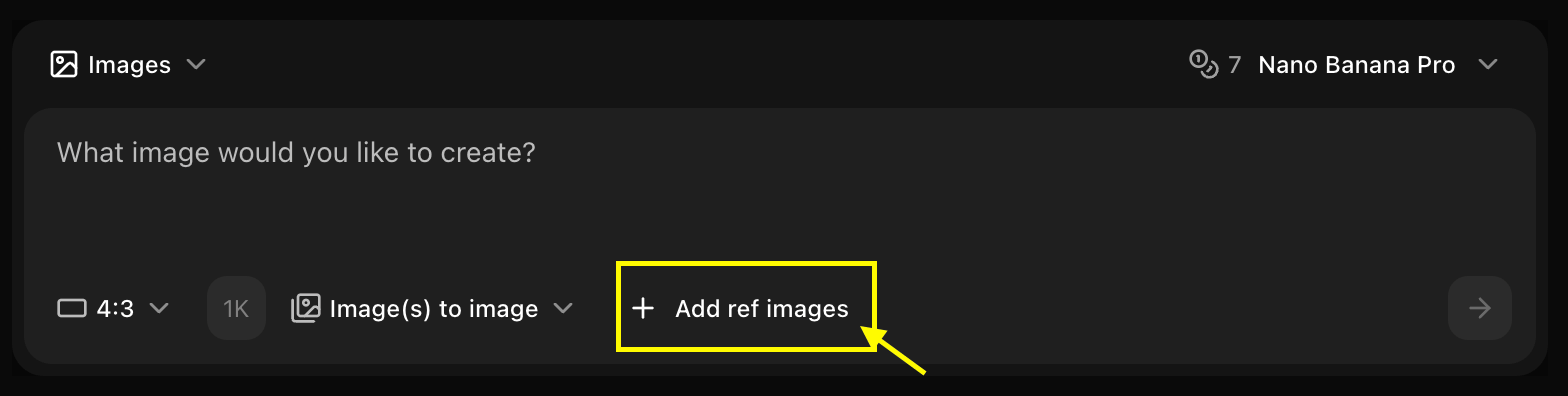
5
Type Detailed Prompt
Enter a detailed description of how you want the AI to modify or enhance your reference image.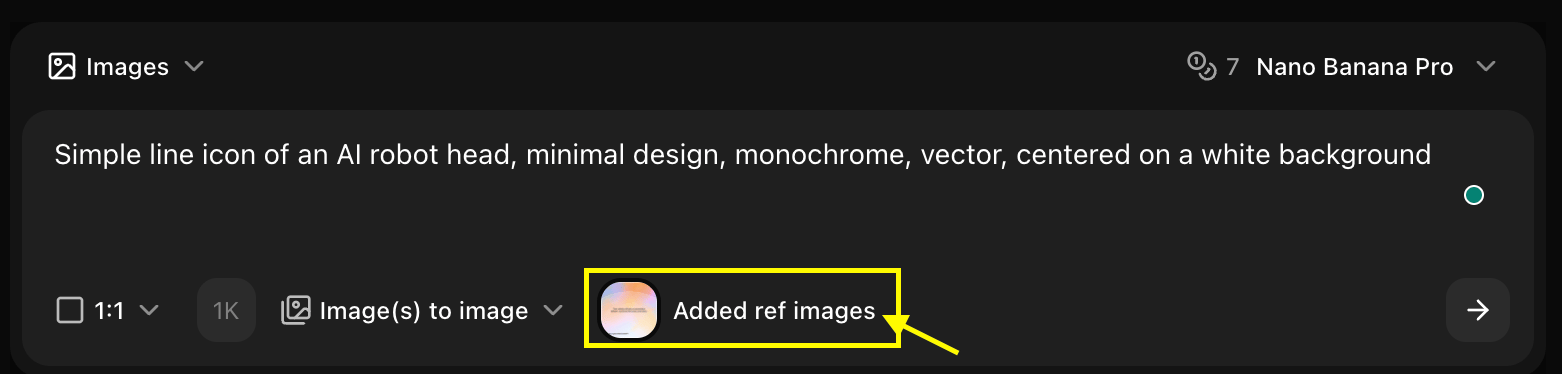
6
Generate
Click on Generate and wait a few seconds for your transformed image to be created.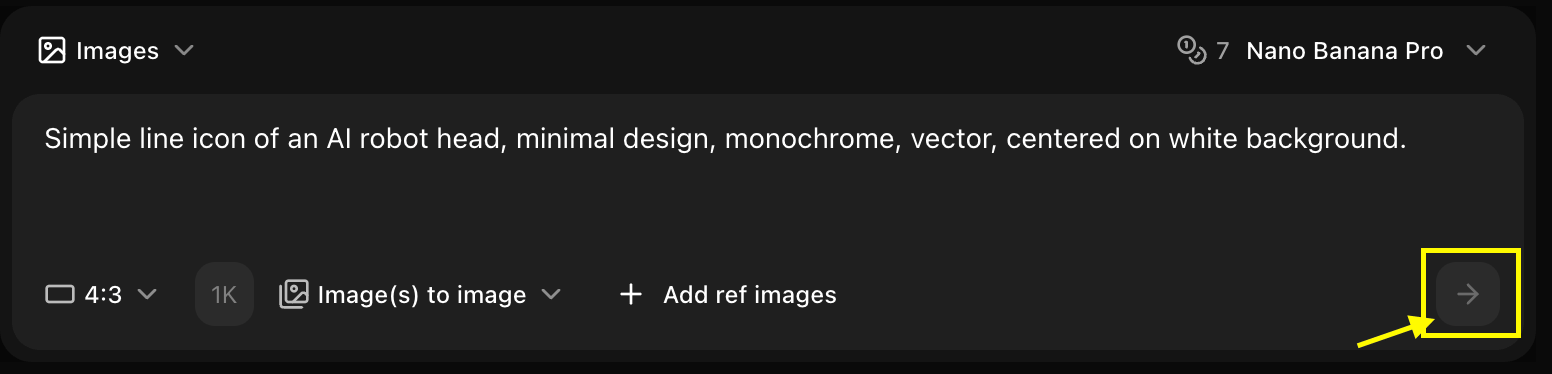
7
Download
Save your generated image.
Ref Image Requirements
Technical Specifications
- Formats: JPG, PNG, WebP
- Max Size: 10MB
- Recommended Resolution: 1024x1024 or higher
- Aspect Ratio: Any, but square works best
Content Guidelines
- Clear, well-lit images work best
- Higher resolution inputs produce better outputs
- Simple compositions are easier to transform
- Avoid heavily compressed or low-quality images
Transformation Strength
The strength parameter controls how much the AI modifies your image:- Low (0.1-0.3)
- Medium (0.4-0.6)
- High (0.7-1.0)
Subtle Changes
- Minor adjustments
- Color corrections
- Small style tweaks
- Preserves most original details
- Photo enhancement
- Color grading
- Minor style adjustments
Common Use Cases
Style Transfer
Transform images into different artistic stylesEnhancement
Improve and enhance existing imagesModification
Change specific elements or aspectsCreative Transformation
Completely reimagine the imageBest Practices
Choosing the Right Strength
Choosing the Right Strength
- Start with medium strength (0.5)
- Increase for more dramatic changes
- Decrease to preserve more original details
- Test different values to find the sweet spot
Writing Effective Prompts
Writing Effective Prompts
- Describe the desired transformation clearly
- Include style keywords
- Mention what to preserve from original
- Specify mood and atmosphere
Image Selection
Image Selection
- Use high-quality source images
- Ensure good lighting in original
- Simple compositions transform better
- Test with different images
Advanced Techniques
Iterative Refinement
- Start with low strength
- Generate and review
- Adjust prompt and strength
- Use output as new input for further refinement
Composition Preservation
To maintain the original composition:- Use lower strength (0.3-0.5)
- Focus prompt on style, not content
- Mention “same composition” in prompt
- Avoid adding new objects
Multiple Variations
- Generate several versions with same settings
- Try different strength values
- Test various prompt phrasings
- Compare results to find best output
Comparison: Text-to-Image vs Image-to-Image
Examples by Category
Photo to Art
Convert photographs into paintings, drawings, or artistic styles
Style Mixing
Combine elements from different artistic movements
Scene Modification
Change weather, time of day, or season
Enhancement
Improve quality, lighting, and details
Troubleshooting
Too much change from original
Too much change from original
- Reduce transformation strength
- Be more specific about preserving elements
- Use “same composition” in prompt
- Try a different model
Not enough change
Not enough change
- Increase transformation strength
- Make prompt more descriptive
- Use stronger style keywords
- Try multiple generations
Unwanted artifacts
Unwanted artifacts
- Use higher quality input image
- Adjust strength parameter
- Simplify the prompt
- Try different model
Next Steps
Text to Image
Create images from scratch
Image Models
Explore different AI models