

Quick Start
Convert text into natural-sounding speech with customizable voices and emotions.1
Navigate to New Voice
Navigate to the new voice generator page.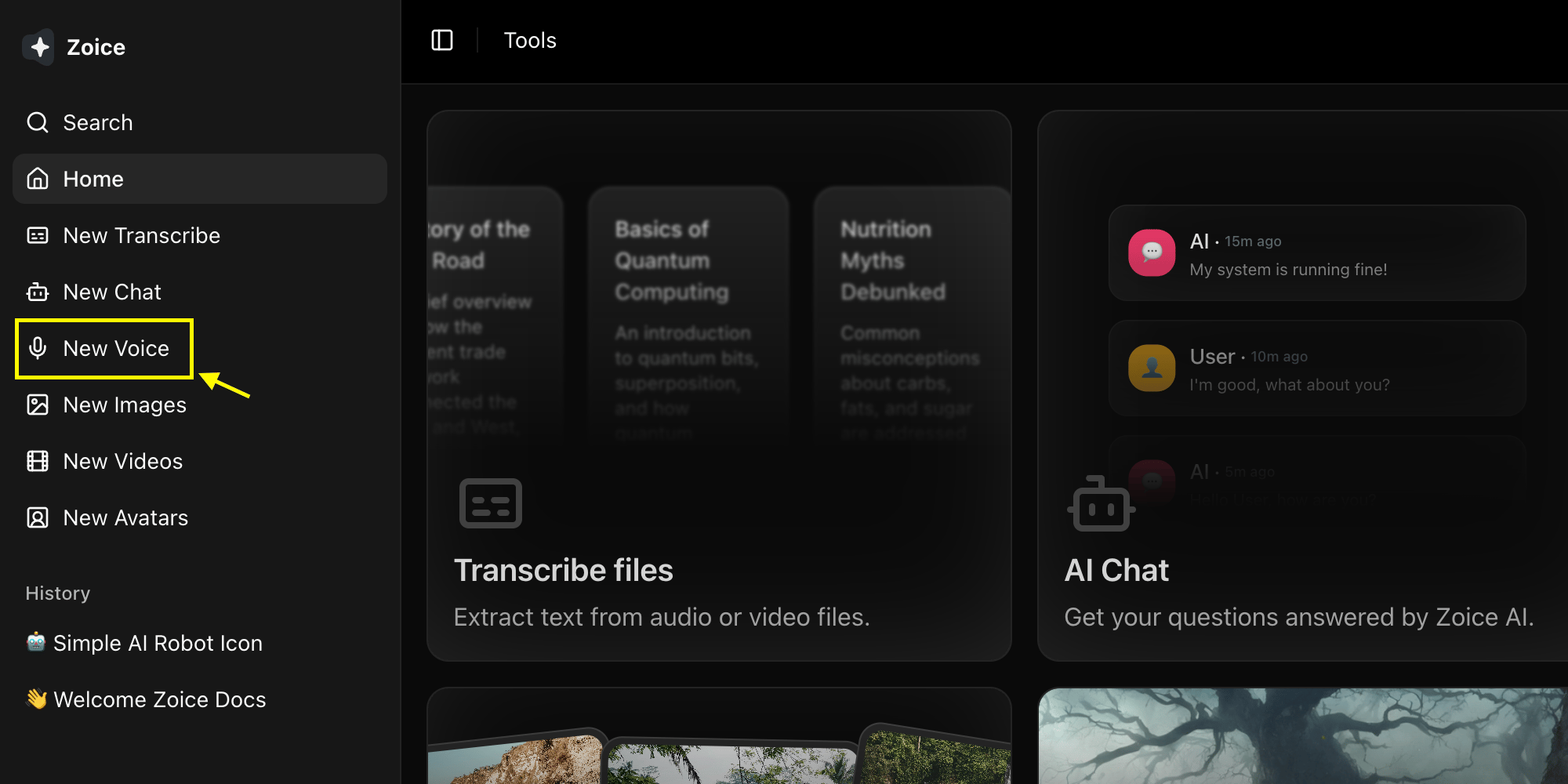
2
Select Model
Choose the AI model you want to use for your voice generation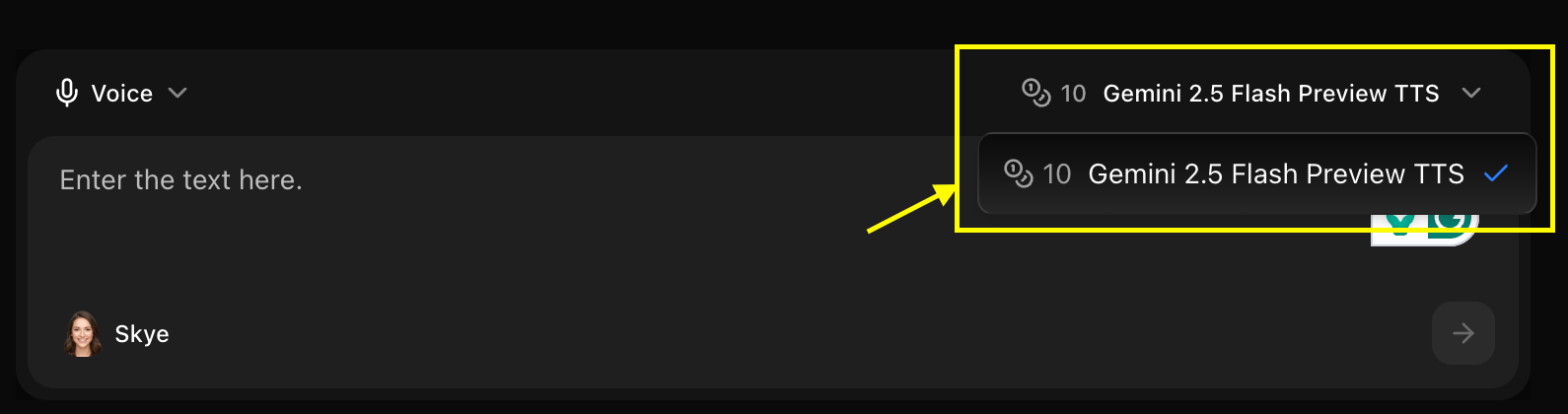
3
Write Your Text
Enter the text or script you want to hear in the voice-over section.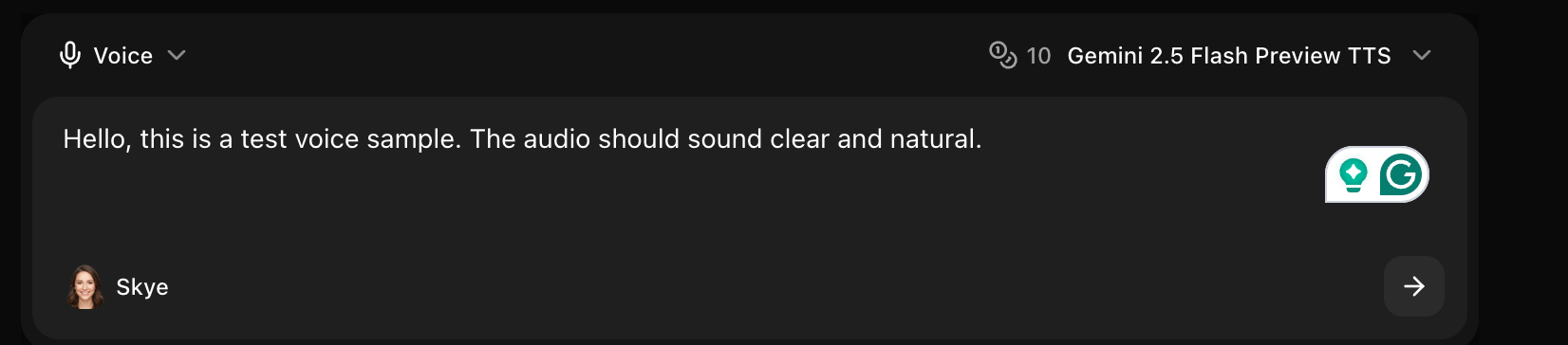
4
Select Voice Over Template
Browse the sample templates and choose the voice that best fits your content’s tone and style.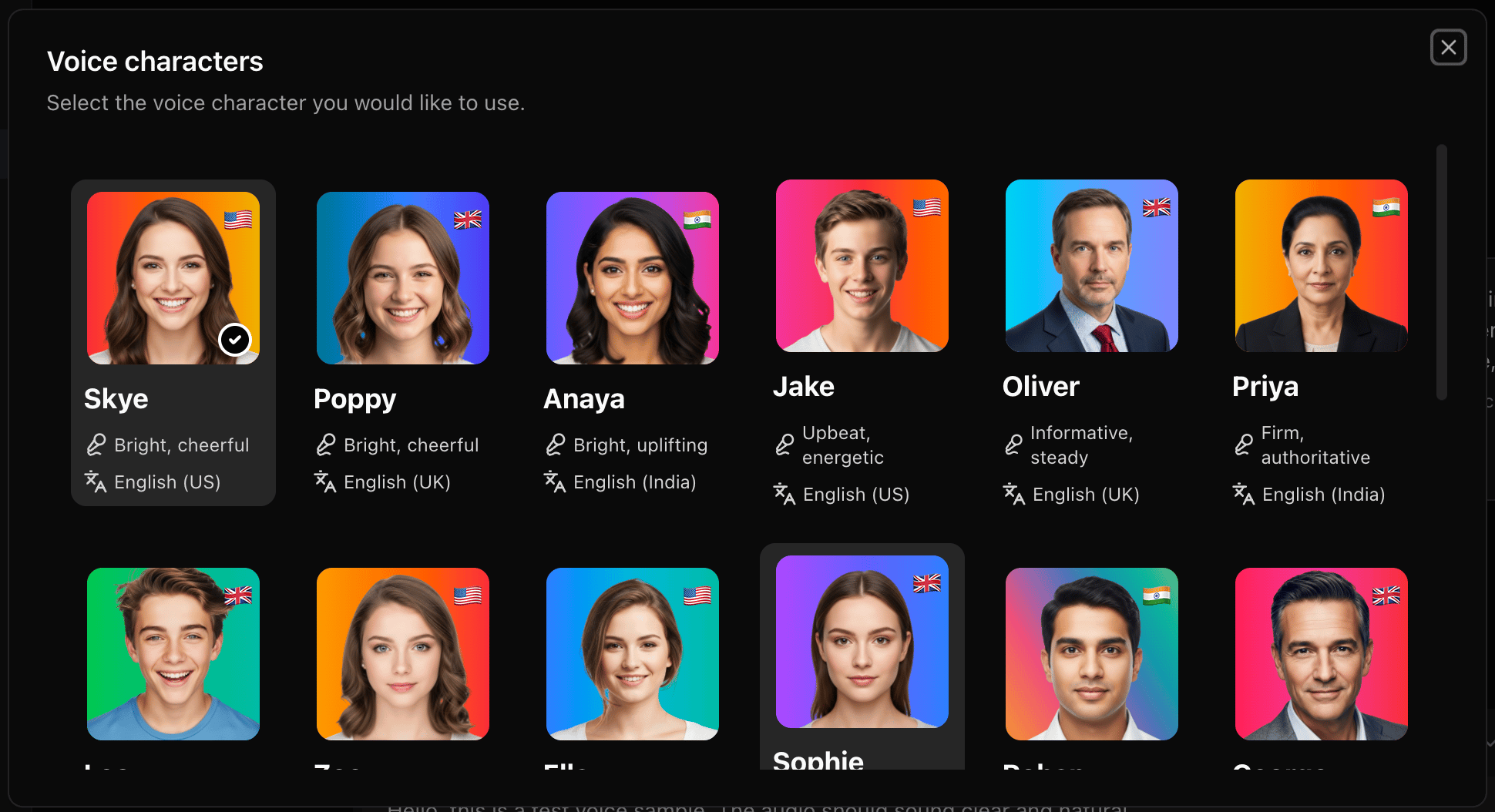
5
Click Generate
Click the Generate button to process your text into the selected voice.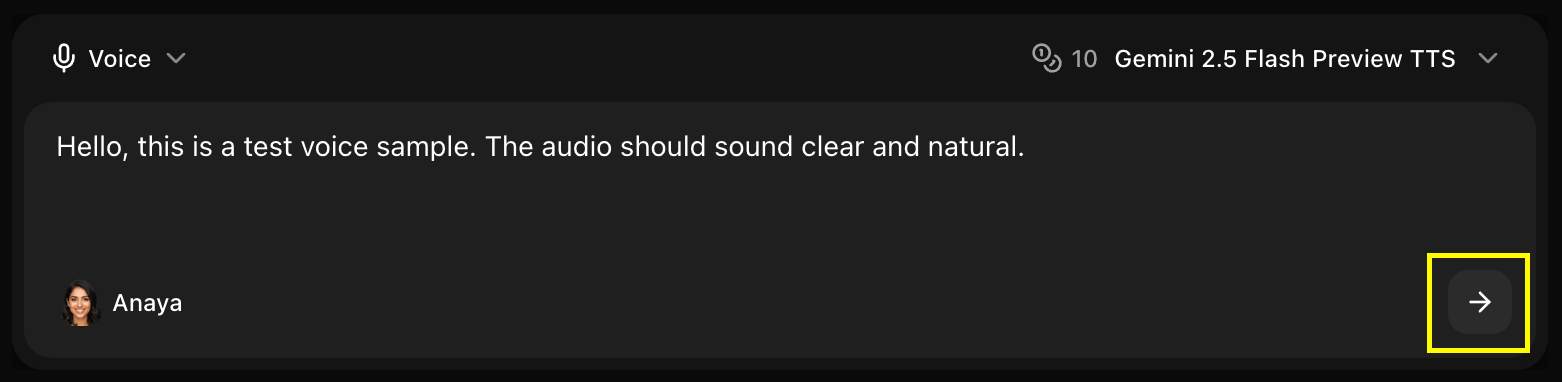
6
Download Your Audio
Once processing is complete, download and save your professional AI voiceover.
Voice Selection
Voice Types
- Male Voices
- Female Voices
- Neutral Voices
- Character Voices
Characteristics:
- Deep, authoritative tones
- Professional narration
- Various age ranges
- Multiple accents
- Corporate narration
- Audiobooks
- Professional content
- Educational material
Language Support
Zoice supports 50+ languages including:- English: US, UK, Australian, Indian, and more
- Spanish: Spain, Latin American variants
- French: France, Canadian
- German: Standard, Austrian, Swiss
- Mandarin: Simplified, Traditional
- Japanese, Korean, Hindi, Arabic, and many more
Voice Customization
Speed Control
- Slow (0.5x-0.8x): Deliberate, clear enunciation
- Normal (1.0x): Natural speaking pace
- Fast (1.2x-1.5x): Quick, energetic delivery
Pitch Adjustment
- Lower (-20% to -10%): Deeper, more authoritative
- Normal (0%): Natural voice pitch
- Higher (+10% to +20%): Lighter, more energetic
Emotion & Tone
Neutral
Standard, professional delivery
Happy
Upbeat, cheerful, positive
Sad
Somber, melancholic, gentle
Excited
Energetic, enthusiastic, dynamic
Calm
Soothing, relaxed, peaceful
Serious
Professional, formal, authoritative
Text Formatting
Punctuation Control
Punctuation affects pacing and delivery:Special Formatting
Emphasis
Emphasis
Use asterisks or capitals for emphasis:
Pauses
Pauses
Add pauses with special tags:
Pronunciation
Pronunciation
Guide pronunciation with phonetic spelling:
Numbers & Dates
Numbers & Dates
Format numbers for proper reading:
Use Cases
Voiceovers & Narration
Customer Service
E-Learning
Audiobooks
Best Practices
Writing for Voice
Writing for Voice
- Write conversationally, not formally
- Use shorter sentences
- Avoid complex punctuation
- Read aloud to test flow
- Use natural language
Clarity & Pronunciation
Clarity & Pronunciation
- Spell out acronyms first time
- Provide pronunciation guides for unique terms
- Avoid ambiguous abbreviations
- Use standard formatting for numbers
Pacing & Rhythm
Pacing & Rhythm
- Use punctuation for natural pauses
- Break long paragraphs into shorter segments
- Vary sentence length
- Add pauses for emphasis
Voice Selection
Voice Selection
- Match voice to content tone
- Consider target audience
- Test different voices
- Stay consistent within projects
Advanced Features
SSML Support
Use Speech Synthesis Markup Language for advanced control:Multi-Voice Scripts
Use different voices in one audio:Background Music
Add background music to your voice:- Upload music track
- Set volume levels
- Auto-duck during speech
- Fade in/out options
Audio Output Settings
Format Options
- MP3: Compressed, smaller file size
- WAV: Uncompressed, highest quality
- OGG: Open format, good compression
Quality Settings
- Standard: 128 kbps (web, streaming)
- High: 192 kbps (general use)
- Premium: 320 kbps (professional)
Sample Rate
- 22 kHz: Voice-only, smaller files
- 44.1 kHz: CD quality, standard
- 48 kHz: Professional, broadcast
Common Scenarios
YouTube Videos
Narration for video content
Podcasts
Intro/outro or full episodes
IVR Systems
Phone menu and prompts
Accessibility
Make content accessible
Troubleshooting
Unnatural pronunciation
Unnatural pronunciation
- Add phonetic spelling
- Break compound words
- Use pronunciation guides
- Try different voice
Wrong pacing
Wrong pacing
- Adjust speed setting
- Add punctuation for pauses
- Break long sentences
- Use pause tags
Monotone delivery
Monotone delivery
- Add emotion settings
- Use varied punctuation
- Try different voice
- Add emphasis markers
Incorrect emphasis
Incorrect emphasis
- Use emphasis markers
- Adjust punctuation
- Rewrite sentence structure
- Use SSML tags
Character Limits
- Single Generation: Up to 5,000 characters
- Batch Processing: Up to 50,000 characters
- Audiobook Mode: Unlimited with chapter breaks
Next Steps
AI Avatar
Combine voice with avatars
Prompt Guide
Master voice prompt engineering